


-

Add: HeBei ShengShi HongBang Cellulose Technology CO.,LTD.
-

Email
13180486930@163.com -

CONTACT US
+86 13180486930
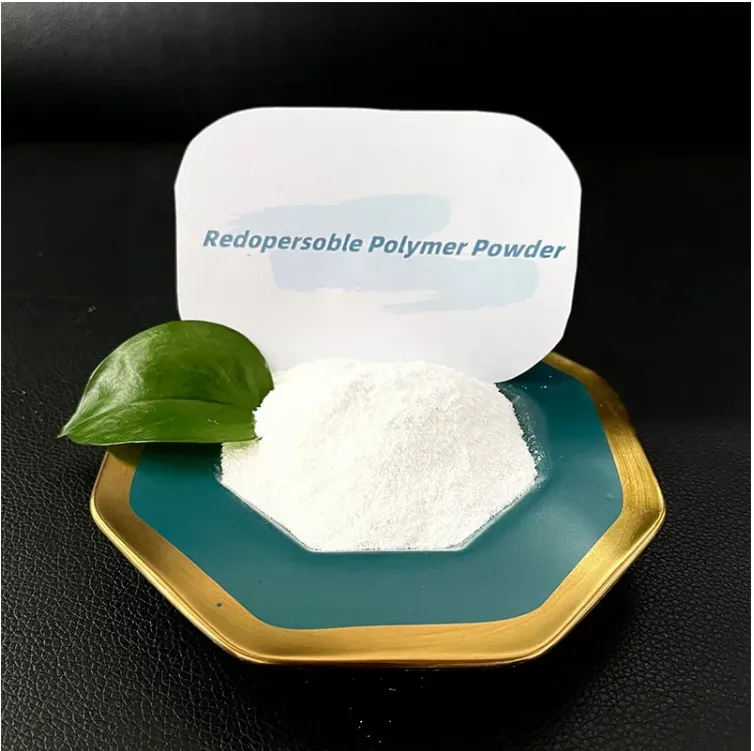

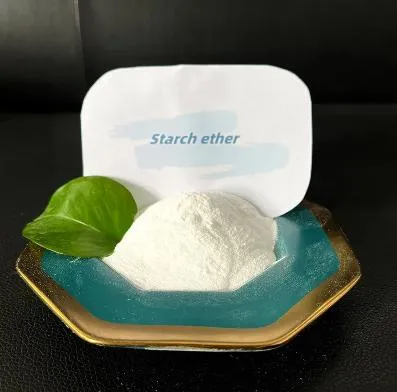



When we think of modified starch , it’s often associated with food and textiles, but its applications go far beyond those sectors. In the industrial and construction fields, modified starch plays an essential role, particularly in improving the performance and durability of various materials. From enhancing the properties of building products to aiding in construction processes, starch ether for construction has become a versatile additive. This article will delve into the modified starch uses in industrial buildings, showcasing the wide range of benefits it offers to the construction industry. Types of Modified Starch for Industrial Construction Modified starch is not a one-size-fits-all solution. There are various types of modified starch designed for specific applications within the construction industry. These modifications often involve chemical processes such as esterification, etherification, or cross-linking, which alter the starch’s properties for better performance. For example, starch ether for construction is specially designed to improve the rheological properties of cement-based products and other construction materials. These starches can be tailored to provide better viscosity control, improve adhesion, or enhance water retention. For industrial buildings, the types of modified starch used include starches modified for specific performance traits. Some types are better for use in adhesive formulations, others for gypsum or cement mixtures, and some are ideal for improving the texture and workability of plaster or mortar. With these versatile types of modified starch, manufacturers can meet the diverse needs of the construction industry by providing products that are strong, durable, and easy to apply. Starch Ether for Construction Starch ether for construction is a key innovation in the construction sector. It is used to modify the properties of cement, plaster, and mortar to achieve desired results in terms of consistency, water retention, and bonding strength. The role of starch ether in construction materials is vital, as it enables manufacturers to create more efficient and workable products, which ultimately leads to better construction outcomes. For example, starch ether for construction can help increase the spreadability and uniformity of plaster, making it easier to apply and reducing the chances of air pockets or bubbles. Additionally, these modified starches can improve the workability of self-leveling floor compounds and tile adhesives, which are essential in modern industrial building projects. The ability to modify the properties of cement and mortar with starch ether helps construction companies streamline their processes and improve the quality of their finished structures. Starch Ether Manufacturers in the Construction Industry The growing demand for starch ether in construction materials has led to the emergence of numerous starch ether manufacturers who specialize in creating tailored products for the construction industry. These manufacturers use advanced technologies to modify starch, providing customers with a wide range of options to suit their specific needs. As the construction industry moves toward more sustainable and efficient building practices, starch ether manufacturers are continuously improving their products to ensure they meet evolving standards. By focusing on creating more eco-friendly, cost-effective, and high-performing starch ethers, these manufacturers are playing a crucial role in the transformation of industrial building materials. Their products are increasingly being used in everything from lightweight concrete to high-performance adhesives, showcasing the versatility and importance of starch ether in modern construction. Benefits of Using Modified Starch in Industrial Construction The use of modified starch in industrial construction offers a wide array of benefits. By enhancing the properties of construction materials, these starches contribute to the strength, durability, and functionality of buildings and structures. Modified starch offers improved water retention, which is essential for the workability of plaster, mortar, and cement mixtures. This allows construction workers to apply the materials more easily and with greater precision. Another key benefit is the enhanced adhesion and bonding strength provided by starch ether for construction . This ensures that materials such as tiles, plaster, and adhesives stay securely in place, reducing the likelihood of cracking, peeling, or separation over time. Additionally, modified starch can help improve the texture and finish of construction materials, providing a smoother and more aesthetically pleasing result. As a result, buildings made with materials containing modified starch are more resilient and visually appealing. The Future of Modified Starch Uses in Construction The future of modified starch in construction looks promising. As the industry continues to evolve, the demand for sustainable and high-performance materials is increasing. Starch ether for construction has already proven its value, and future innovations in starch modification will likely enhance its application even further. Researchers are exploring ways to make modified starch more versatile, such as creating starch-based products that offer even better moisture resistance, increased fire retardancy, and improved environmental impact. The role of modified starch will only grow as construction companies and manufacturers embrace green building practices. Starch is a renewable resource, making it an ideal choice for companies looking to reduce their carbon footprint and produce more sustainable building materials. As more and more starch ether manufacturers develop eco-friendly products, the use of modified starch will become an integral part of the construction industry's move toward sustainability. Modified Starch FAQs What is modified starch and why is it used in construction? Modified starch refers to starch that has been chemically altered to enhance its properties. In construction, it is used to improve the workability, adhesion, and water retention of materials like plaster, mortar, and cement. What are the benefits of using starch ether in construction? Starch ether for construction offers improved workability, better adhesion, and enhanced water retention in construction materials. It helps improve the performance and durability of plaster, mortar, adhesives, and other building materials. Who are the leading starch ether manufacturers in the construction industry? There are many reputable starch ether manufacturers specializing in producing modified starch for construction. These manufacturers focus on delivering high-performance, eco-friendly, and cost-effective starch ether products tailored to the needs of the construction industry. Can modified starch improve the quality of plaster and cement? Yes, modified starch significantly improves the quality of plaster and cement. It enhances water retention, which allows for better workability, and improves adhesion, ensuring that these materials stay intact over time. Is modified starch environmentally friendly? Yes, modified starch is an environmentally friendly material. It is derived from renewable resources like corn, wheat, or potatoes, making it a sustainable option for construction applications. Moreover, starch-based products are biodegradable and have minimal environmental impact compared to synthetic alternatives. Investing in modified starch for your construction projects can significantly improve the quality and performance of your materials while promoting sustainability. Explore our range of starch ether for construction products and see how they can enhance your building processes. Visit our website today to learn more and purchase high-quality starch ether that meets your specific construction needs.
- 40000tons

Production
- 20+years

Experience
- 5000+㎡

Acreage

-
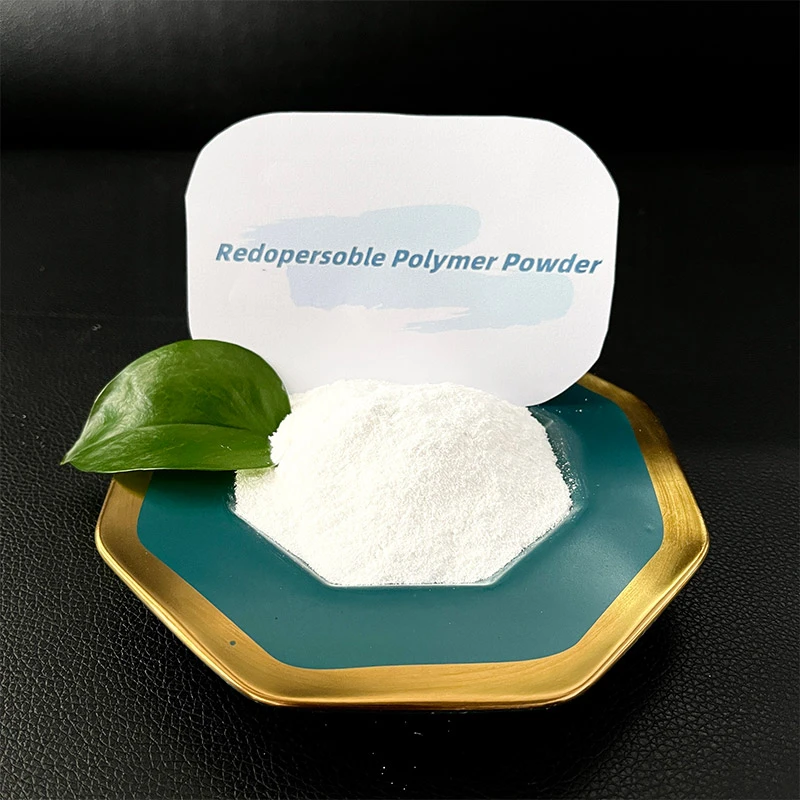
Hydroxypropyl Methylcellulose (HPMC) is a versatile compound with extensive applications across various industries . Renowned for its binding, thickening, and emulsifying properties, HPMC’s contributions to product enhancement and consistency are substantial. This article explores the diverse applications of HPMC, drawing insights from industry experts and user experiences to highlight its role in modern manufacturing and product development. In the construction industry, HPMC is a vital component in the formulation of high-performance building materials. Experts assert that its water retention ability significantly extends working time and improves the adhesion of cement-based products, leading to superior structural finishes. This is particularly valuable in plastering and tile adhesive applications, where product reliability and consistency are paramount. Construction professionals with years of field experience attest to the enhanced workability and strength of structures when HPMC is integrated. The pharmaceutical sector also capitalizes on the benefits of HPMC, where it serves as a key excipient in oral drug formulations. Industry specialists emphasize its non-toxic, biocompatible nature, making it an ideal candidate for controlled-release drug delivery systems. By managing the rate at which active ingredients are released, HPMC ensures therapeutic efficacy and optimizes patient outcomes. Pharmacists and formulators regard HPMC as a cornerstone in creating effective, predictable, and patient-friendly pharmaceutical products. In the personal care and cosmetics industry, HPMC is prized for its role in stabilizing formulations, providing a silky texture, and enhancing the spreadability of creams and lotions. Skincare formulators acknowledge HPMC's capacity to improve product stability while maintaining skin-friendly attributes. The expertise of cosmetic chemists underscores HPMC’s effectiveness in forming protective films over the skin, retaining moisture and delivering active ingredients effectively. Consumers appreciate the tangible improvements in product feel and performance, leading to increased trust in HPMC-enhanced brands. hpmc applications Furthermore, in the food industry, HPMC is utilized as a dietary fiber source and as a texture enhancer in low-fat and gluten-free products. Nutritionists and food scientists appreciate its ability to mimic the texture and mouthfeel of fats and gluten, providing healthier alternatives without compromising on consumer experience. The authoritative voices in food science endorse HPMC as a pivotal ingredient in meeting the growing demand for health-conscious food options. Window into academic perspectives, numerous studies validate HPMC's versatile applications and its positive impact on product quality and consumer satisfaction. It is this confluence of practical experience, professional expertise, and scholarly research that underscores HPMC’s position as a credible, trustworthy ingredient across diverse sectors. To summarize, the applications of HPMC are as broad as they are crucial, affecting a wide array of products ranging from construction materials to pharmaceuticals, cosmetics, and food. Its reliability, proven by extensive use and expert validation, renders HPMC an exemplary model of effective, multifunctional ingredient use in manufacturing. The cumulative experience of industry experts affirms HPMC's integral role in supreme product performance, marking it as an authoritative choice for manufacturers committed to quality and consumer trust.
-
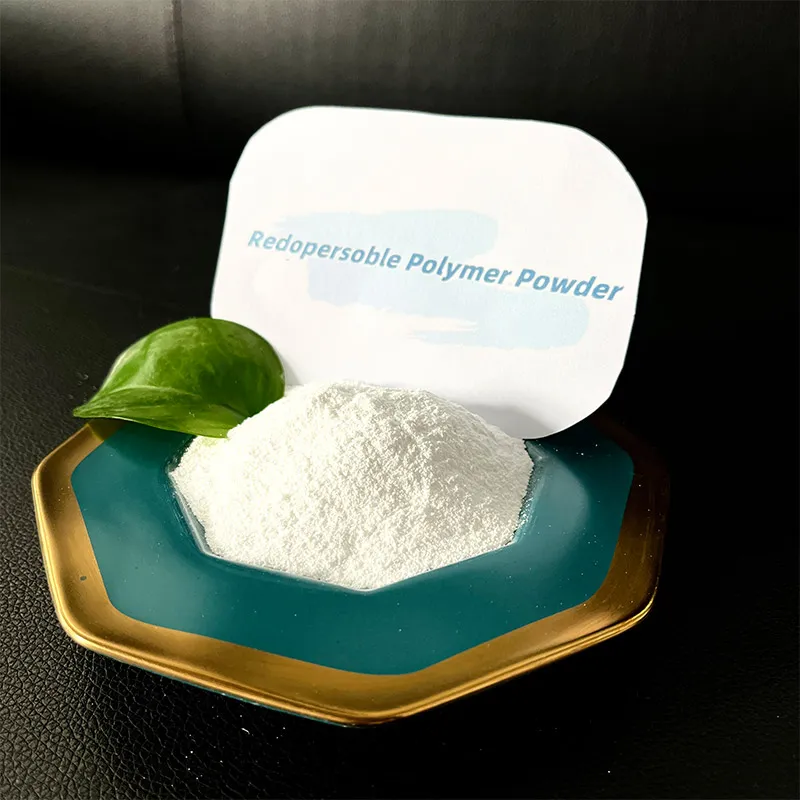
Starch Ether for Dry Mortar An Innovative Component in Construction Chemistry In the realm of construction, particularly in the field of dry mortars, the quest for improved performance, workability, and sustainability is a constant endeavor. Among the various additives utilized in the formulation of dry mortars, starch ether has emerged as a key component, revolutionizing the way we approach construction materials. This article will delve into the significance of starch ether, its properties, benefits, and applications in the building industry. Understanding Starch Ether Starch ether is a modified form of starch that has been chemically altered to enhance its performance characteristics. It is derived from natural starch sources, such as corn, potatoes, or tapioca, and then treated to introduce ether groups. This modification significantly increases its solubility in water and improves its thermal stability, making it an excellent additive for dry mixes. The Functionality of Starch Ether in Dry Mortars When incorporated into dry mortars, starch ether serves multiple functions that contribute to the overall performance of the mixture. The primary roles of starch ether include 1. Fluidity Improvement Starch ether enhances the workability of mortar mixtures by improving their fluidity. This is particularly beneficial for various applications where a consistent and smooth application is crucial, such as in tile adhesives, plaster, and rendering mortars. 2. Water Retention One of the most significant advantages of starch ether is its ability to retain water within the mortar mix. This property is vital for maintaining optimal hydration levels during the curing process, which subsequently enhances the strength and durability of the setting mortar. 3. Adhesion The use of starch ether increases the adhesive properties of mortars, ensuring that they bond securely to various substrates. This is essential for applications that require a strong bond, such as ceramic tiles or other decorative materials. . 5. Cohesion Cohesion between particles in the mixture is enhanced with the addition of starch ether. This contributes to the overall strength of the mortar once cured, making it less prone to cracking or failure. крахмальный эфир для сухого строительного раствора Environmental Benefits In recent years, there has been a growing emphasis on sustainability in the construction industry. Starch ether, being derived from renewable natural sources, aligns well with these goals. Its use can contribute to reducing the carbon footprint of construction materials, as it replaces some synthetic additives that may be less environmentally friendly. Moreover, the improvements in efficiency and performance can lead to less waste and better resource utilization during the construction process. Applications in Construction Starch ether is utilized across a variety of applications in the construction industry, particularly in - Tile Adhesives The enhanced adhesion and workability offered by starch ether make it ideal for tile adhesive formulations, providing a strong and reliable bond for various types of tiles, including porcelain and ceramic. - Plaster and Render In plaster and rendering applications, starch ether helps achieve a smooth finish while also retaining moisture for a longer period, promoting better curing and increasing the final strength of the product. - Self-Leveling Compounds The flow properties of self-leveling compounds are enhanced with the addition of starch ether, ensuring an even application that fills gaps and provides a stable surface for flooring. - Repair Mortars Starch ether is also beneficial in repair mortars, where it aids in bonding new material to old surfaces, ensuring effective repairs that last. Conclusion As the construction industry continues to evolve, embracing new technologies and sustainable practices, starch ether stands out as a significant innovation in the formulation of dry mortars. Its multifunctional properties not only enhance the performance of construction materials but also align with the increasing demand for environmentally friendly solutions. The integration of starch ether in dry mortars thus represents a promising advancement, paving the way for improved construction practices and higher-quality finishes.
advantages
-

200000 Viscosities
Excellent product
We can produce pure products up to 200,000 viscosities
-

40000 tons
High yield
We don’t stop production all year round, and the annual output can reach 40,000 tons
-

24 hours
Quality service
We provide 24-hours online reception service, welcome to consult at any time
———— Inquiry Form
Schedule A services


-
 redispersible_polymer_powder_manufacturers
Oct . 25, 2025
In the pursuit of sustainable and renewable materials, few substances hold as much promise as fibre -
 perekat_ubin_hpmc
Oct . 25, 2025
Hydroxypropyl methyl cellulose (HPMC) significantly influences the properties of cement mortar, part -
 polypropylene_fiber_price
Oct . 25, 2025
Rubber powder, often derived from recycled rubber products, has carved out a crucial niche in the su


